
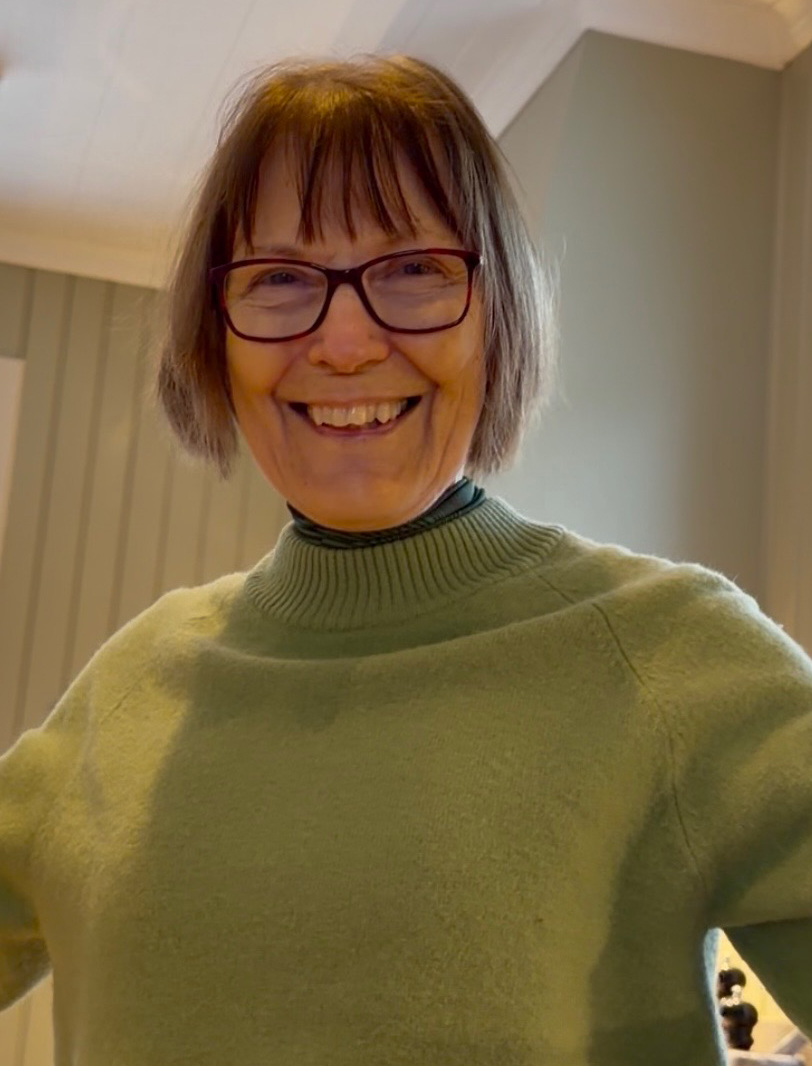
A translator's perspective: Françoise Sule
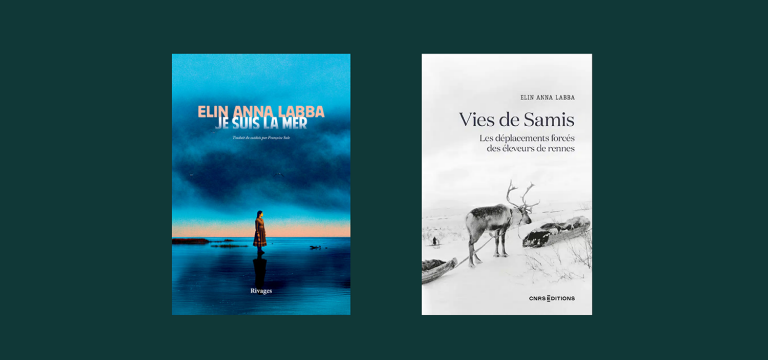
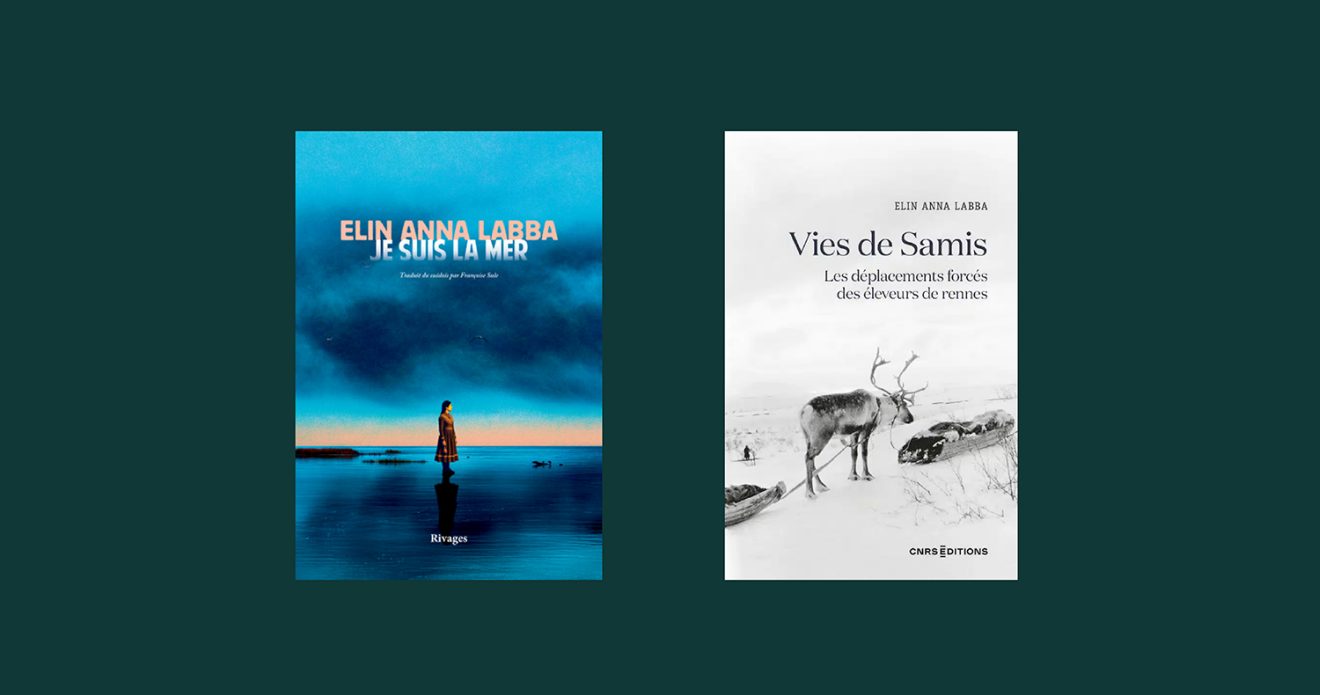
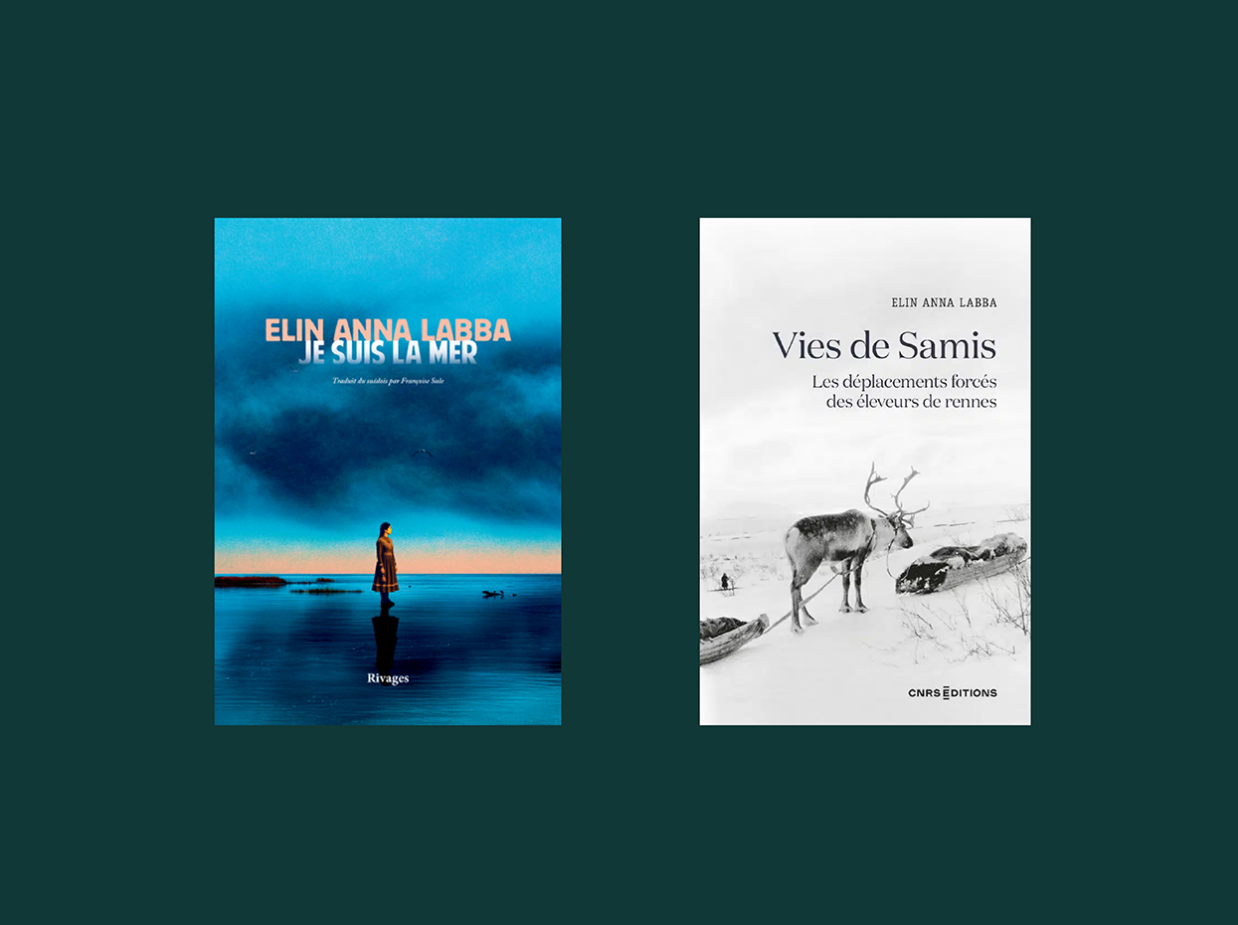
In connection with the Sámi National Day, we contacted Françoise Sule, who translates into French, and asked her to share her thoughts on translating Sámi literature. Sule has translated Je suis la mer (Far inte till havet) and Vies de Samis (Herrarna satte oss hit) by Elin Anna Labba.
What is the most rewarding and/or most challenging part of translating Sámi literature?
Literature is a way for a writer to express their identity and make their voice heard.
For me, Sámi literature is ”a world’s view”. Elin Anna Labba’s voice moves me deeply because it is clear and unadorned; she shares her ”world's view” and enriches my own perspective with new angles by telling me about Sámi history.
Sámi literature reminds me of a particular tone, a soundscape. The Sámi language resonates in the background, and as a translator, my most challenging task is to bring the reader as close as possible to the Sámi culture without losing the narrative along the way.
What thoughts about language arose for you during the translation process?
With reference to Jean-Marie Gustave Le Clézio’s Nobel Prize lecture in 2008:
” Culture on a global scale concerns us all. But it is above all the responsibility of readers—of publishers, in other words. (…) But if, through translation, their voices can be heard, then something new is happening, a cause for optimism. Culture, as I have said, belongs to us all, to all humankind.”
A book is a good way to engage with world culture — practical, handy, and easy to keep with you, wherever and whenever.
How do you preserve the feeling of the original without getting stuck on the words?
Elin Anna Labba had carefully selected which words should remain in Sámi and had compiled an excellent glossary included at the end of the French translation.
I had considered using Sámi expressions for the seasons (Sámi has more words for the seasons than French) and discussed this with Labba. She felt, however, that it wasn’t necessary. What matters is using expressions that a French-speaking readership can understand.
Another example is the term Per Albin Houses: very Swedish. I had to change it to terms that would work, such as folkhemmet (the people’s home), välfärdssamhället (the welfare state) and modernitet (modernity).
I received a lot of help from a good friend, Ellacarin Blind, with whom I could bounce ideas and questions. The Swedish Sámi Parliament’s website, sametinget.se was also a great help. I had a very good collaboration with French publisher Delphine Valentin, who was responsive and open to discussion.
It’s about finding the right balance, the Sámi language is influenced by the majority language, and the majority language is also influenced by Sámi.
J.M.G. Le Clezio, who wrote the foreword to the book, emphasises that "the Sámi language emerges like an underground light, like a fragrance." "la langue samie affleure comme une lumière souterraine, comme un parfum."
About the books
Je suis la mer
by Elin Anna Labba, translated by Françoise Sule, Payot/Rivages, 2026
The Home of the Drowned (Far inte till havet)
Foreign rights: Norstedts Agency.
Vies de Samis. Les déplacements forcés des éleveurs de rennes
by Elin Anna Labba, translated by Françoise Sule, CNRS Éditions, 2022
The Rocks Will Echo Our Sorrow. The Forced Displacement of the Northern Sámi (Herrarna satte oss hit : om tvångsförflyttningarna i Sverige)
Foreign rights: Norstedts Agency.
Reference
Quotation, Jean-Marie Gustave Le Clézio. Nobel Prize lecture 2008